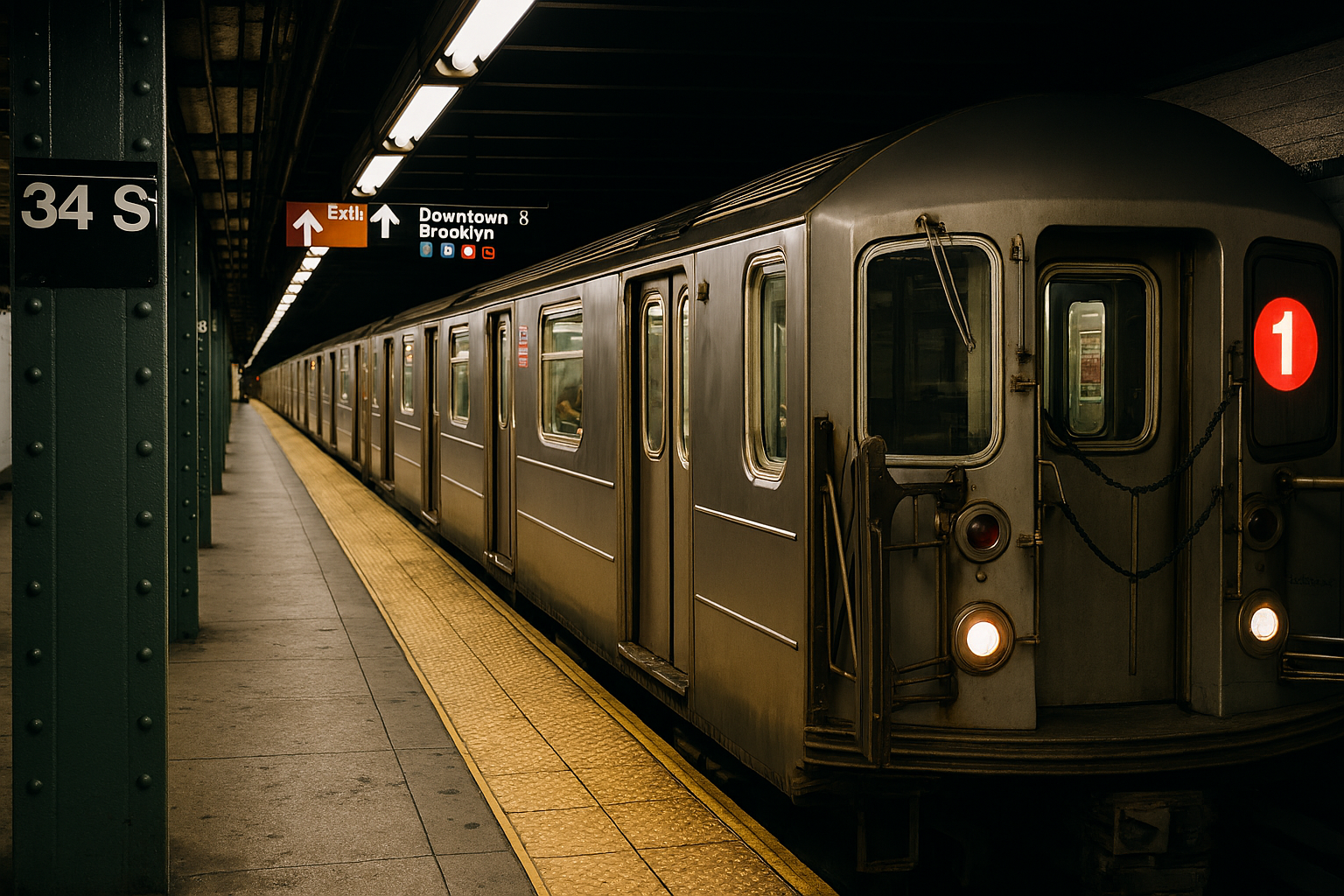
NYC Subway Safety Tips for Tourists & Solo Travelers
Yes, most tourists can use the NYC subway safely. Over 3.5 million people ride it every day - it's the backbone of city transportation, not a danger zone. Recent MTA/NYPD data shows improving safety perceptions and declining major transit crime. Use this guide to ride confidently by day, at night, and when traveling solo.
Updated on 2026-07-03
By Mridul Mishra · Updated June 2026 · Fact-checked against NYPD & MTA data
📄
Get the NYC subway safety checklist
Get night ride tips, solo travel defaults, scam warnings, emergency steps, and station checks in one quick PDF.
Get the PDF plus a short NYC planning email series. Unsubscribe anytime.
Why Trust This Guide
Built from official MTA safety guidance, NYPD transit data, MTA rider survey results, and practical solo-traveler route planning.
Focuses on station layout, foot traffic, night routes, transfer decisions, and the moments tourists actually worry about.
Uses an answer-first structure, scenario-based advice, and simple decision rules so visitors can act quickly without panic.
Data Sources
MTA Customers Count Fall 2025 survey: 63% of subway riders reported feeling safe on trains.
MTA Safety and Security guidance: call 911 for emergencies, use Help Point intercoms, avoid empty cars, and ride in the conductor car during off-hours.
NYPD transit statistics and crime-prevention guidance for platform awareness, theft prevention, and reporting.
NYPD CompStat transit data: major felonies on the subway system trended downward in 2025 compared to pre-pandemic levels, with the transit system averaging fewer than 6 major felonies per day across 3.5 million+ daily riders.
Fact-checked against official transit and public-safety sources, then translated into tourist-friendly steps.
Official sources
What the latest subway safety guidance says
This guide prioritizes official MTA and NYPD references before turning the data into practical tourist decisions.
Is the NYC Subway Safe? The Numbers in Plain English
Subway safety feels easier to judge when you separate total rider volume from the small number of serious incidents.
Signal
What it means
Traveler takeaway
Daily ridership context
Over 3.5 million people use the NYC subway on a typical weekday, so most rides are routine commutes.
Use the subway as normal city infrastructure, with the awareness you would use in any large transit system.
Station coverage
The system covers 472 stations, with cameras at every station and Help Point intercoms in many stations.
If unsure, move toward staffed areas, visible cameras, Help Points, and rider flow.
Major crime context
NYPD CompStat transit data shows major felonies are a tiny share of daily rides, averaging fewer than 6 per day across 3.5 million+ riders.
Tourist risk is usually theft, confusion, harassment, or a poor late-night transfer, not danger on every ride.
Night service difference
NYC runs 24/7. Late-night trains are less frequent, platforms are quieter, and service changes can be confusing.
Reduce waiting and isolation: check arrivals, minimize transfers, and use a rideshare if the last walk feels quiet.
Is the NYC Subway Safe?
Yes, the NYC subway is safe for tourists using normal city awareness. Millions use it every day for work and sightseeing. It can feel loud and fast-moving, but intensity is not the same as danger. During daytime and evening hours, ride in populated cars, keep your bag zipped, know your direction, and avoid platform-edge distraction.
Use busy stations and main entrances when possible.
Treat empty cars as a signal to choose another car.
Keep valuables zipped and in front in dense crowds.
Is the NYC Subway Safe at Night?
The subway can still be safe at night, but fewer riders, longer waits, and quieter exits make planning more important. Choose direct trains, avoid unnecessary transfers, wait near other riders or Help Points, and keep a backup ride option if the final walk to your hotel is quiet.
Check train arrivals before going underground so you are not waiting alone for 20 minutes.
Ride in the conductor car or a car with other alert riders.
Avoid empty platforms, dead-end corridors, and isolated exits.
Subway Safety for Solo Female Travelers
Solo female travelers can use the NYC subway confidently, especially during the day and early evening. Choose cars with a normal mix of riders, stand near families or commuters, keep your route visible but your phone secure, and change cars early if someone makes you uncomfortable.
Change cars at the next stop if someone makes you uncomfortable.
Stand near other riders instead of isolated platform ends.
Share your route or ETA when riding late at night.
Common Subway Scams and Theft Risks
Most tourist problems are practical: pickpocketing in crowds, distraction near turnstiles, aggressive solicitation, fake swipe offers, or pressure for money. Decline, keep moving, protect your bag, and do not argue. If behavior turns threatening, move toward riders, staff, police, or a Help Point and call 911.
Avoid buying swipes or MetroCards from strangers near station entrances.
Keep phones and wallets secure around doors, stairs, and crowded platforms.
Do not stop to negotiate with aggressive solicitors.
Core Safety Principles
Stay Aware, Not Afraid
Confidence comes from understanding your surroundings and making deliberate choices. With over 3.5 million daily riders and security cameras at every station, the system is designed for safe mass transit.
Position Yourself Strategically
Choose well-lit areas, stand near other riders, and avoid isolated corners.
Trust Your Instincts
If something feels off, move cars, change platforms, or exit the station.
Minimize Exposure to Risk
Avoid empty cars, late-night transfers, and poorly lit exits.
Use Tools That Give You Control
Apps, alerts, and maps help you stay ahead of delays and disruptions.
Subway Basics
How the System Works
The NYC subway runs 24/7, carries over 3.5 million riders daily, and connects Manhattan, Brooklyn, Queens, and the Bronx across 472 stations. For visitors, the safety basics are simple: know your direction before you swipe, wait where other riders are present, avoid empty cars, and move early if a platform or car feels wrong.
Peak vs Off‑Peak
Peak Hours
7-10 AM and 4-7 PM are crowded, loud, and fast-moving. Crowds can feel intense, but foot traffic usually makes stations and cars feel safer for tourists.
Off‑Peak Hours
Late night and early morning service is quieter, with longer waits and fewer riders. Use busier entrances, wait near station staff or Help Points, and ride in the conductor car when possible.
Fare Basics
Tap with OMNY or use a MetroCard. One fare covers one subway ride, and free transfers are available within the allowed transfer window. Have your payment ready before the turnstile so you are not distracted at the entrance.
Station Layouts
Many stations have multiple entrances, mezzanines, and exits that lead to different blocks. If you are unsure, choose the brighter exit with more foot traffic and verify your direction before leaving the paid area.
Train Types
Local trains stop at every station. Express trains skip stops and can move you far past your destination quickly. Check the letter/number, direction, and local-vs-express status before boarding.
Persona‑Based Safety Tips
solo female traveler
Top Concerns
Unwanted attention
Late-night rides
Crowded platforms
Recommended Behaviors
Ride in populated cars and avoid empty cars
Use the conductor car during off-hours when possible
Stand near other riders, station staff, or Help Point intercoms
Change cars or exit at a busy station if someone makes you uncomfortable
Avoid
Isolated platforms
Empty cars
Late-night transfers through quiet stations
Confidence Boosters
Pre-plan routes
Use live service alerts
first time visitor
Top Concerns
Navigation
Unexpected changes
Platform mix-ups
Recommended Behaviors
Check direction before tapping in
Use Google Maps, the MTA app, or Citymapper for live service changes
Keep bags zipped and in front in crowds
Ask MTA staff when signage is confusing
Avoid
Last-minute platform switches
Confidence Boosters
Arrive early
Save your route offline
late night commuter
Top Concerns
Low foot traffic
Empty cars
Long gaps between trains
Recommended Behaviors
Wait near the staffed area, off-hours waiting area, or Help Point
Ride in cars with other alert riders
Use well-lit exits with foot traffic
Choose a rideshare if the final walk from the station feels isolated
Avoid
Empty platforms
Sleeping riders
Confidence Boosters
Track trains in real time
Real‑World Scenarios
Reading the platform: green flags vs. red flags
Green flags — you're probably fine
Families, commuters, and tourists nearby
Well-lit platforms with visible signage
MTA staff, police, or Help Point intercoms nearby
Security cameras visible (MTA has cameras at all 472 stations)
Normal rider flow and moderate foot traffic
NYPD transit officers on the platform or in the station
Red flags — move or step off
Empty cars when nearby cars have riders
Aggressive solicitation or targeted harassment
Broken lighting or isolated platform corners
Someone watching, following, or repeatedly approaching riders
These notes reflect typical station foot traffic, layout, and time-of-day patterns from rider experience — general guidance, not official safety ratings.
Neighborhood‑Specific Notes
Station and route examples
Safer Subway Choices for Common Tourist Routes
Times Square to Grand Central
Best for: First-time visitors moving between Midtown landmarks
Safety note: Use the 7 train connection or walk if streets are busy and weather is good. Both stations are crowded, staffed, and useful for reorienting yourself.
Watch out: Times Square platforms can be hectic. Verify the 7 direction before descending.
Penn Station to Times Square
Best for: Arriving by Amtrak, NJ Transit, or LIRR and heading toward Midtown hotels
Safety note: The 1/2/3 line is direct and heavily used. Busy crowds help safety, but keep bags zipped in arrival corridors.
Watch out: Penn Station has long passages. Follow main signs and avoid quiet side hallways with luggage.
Grand Central to Lower Manhattan
Best for: Wall Street, Brooklyn Bridge, or the 9/11 Memorial
Safety note: The 4/5 express trains are efficient during the day and usually busy with commuters. Use the 6 if express service feels confusing.
Watch out: The Financial District can feel quiet after office hours. Plan the station exit before boarding.
Frequently Asked Questions
NYC Subway Safety Checklist
Essentials
•OMNY-ready card or phone
•Charged phone
•Route screenshot with final station and exit
•Hotel address saved offline
Safety Items
•Crossbody bag or zipped day bag
•Portable charger
•Emergency contact saved
•Small backup cash/card stored separately
Digital Tools
•MTA app
•Google Maps or Citymapper
•Offline map screenshot
•Rideshare app for late-night backup
What Not to Carry
•Loose valuables in open pockets
•Passport unless needed that day
•Large open tote in rush-hour crowds
•Open drinks or anything that limits your hands
Quick checklist
NYC Subway Safety Checklist by Situation
Situation
Do this
Avoid this
Daytime sightseeing ride
Use rider flow, keep your bag zipped, and confirm local vs express before boarding.
Do not stand distracted at the platform edge.
Late-night ride back to hotel
Check arrival times, wait near riders, choose a populated car, and minimize transfers.
Do not wait alone at the far end of the platform.
Crowded rush-hour train
Hold bags in front, move into the car, and prepare your stop early.
Do not keep wallets or phones in loose back pockets.
Someone is bothering you
Create distance, change cars, move near riders, and call 911 if threatened.
Do not argue or wait for it to improve by itself.
You are lost or service changes
Pause in a visible area, check official signs, and ask staff a direct question.
Do not board a train just because it arrived first.
📄
Get the NYC subway safety checklist
Get night ride tips, solo travel defaults, scam warnings, emergency steps, and station checks in one quick PDF.
Get the PDF plus a short NYC planning email series. Unsubscribe anytime.
Emergency Playbook
If You Feel Unsafe
Move to a busier car at the next stop
Wait near other riders, MTA staff, or a Help Point intercom
Exit at the next busy station if the situation continues
Call 911 if there is immediate danger
If Someone Harasses You
Create distance without debating
Move cars or step onto the platform at a busy stop
Stand near other riders and make the situation visible
Report sexual harassment or threats through MTA/NYPD channels when safe
If You Get Lost
Check the line, direction, and local/express status
Ask MTA staff or another rider a direct question
Exit to street level at a busy station if you need to reset the route
If Your Phone Dies
Use station maps and overhead signs
Follow the line color, letter/number, and terminal direction
Ask station staff for the simplest route to your next landmark
If Service Stops
Stay calm and listen for announcements
Follow conductor or MTA staff instructions
Use the MTA app or posted service notices before choosing a reroute
Tools & Apps
📱
MTA App
Live service alerts and train arrival times.
📱
Google Maps Transit
Reliable routing and platform guidance.
📱
Citymapper
Best for alternative routes and delay avoidance.
📱
Citizen App
Awareness of incidents near stations.
Subway Etiquette
Platform Etiquette
Stand behind the yellow line at all times
Let riders exit fully before you step in
Form loose lines instead of crowding the doors
Keep backpacks and bags close to your body
Avoid standing at the platform edge while distracted
Train Etiquette
Keep bags in front of you, not on your shoulder
Don’t block doors — move into the car quickly
Offer priority seats to seniors, pregnant riders, and people with disabilities
Keep music and phone volume low
Avoid eating strong‑smelling food
Rush Hour Rules
Expect heavy crowds and limited personal space
Move to the center of the car instead of hovering near doors
Remove backpacks and hold them low
Prepare your MetroCard/OMNY before entering
Step aside quickly when the train arrives
Unspoken Norms
Minimal eye contact — it’s normal, not rude
Keep conversations short and low‑volume
Avoid staring, pointing, or reacting loudly
Don’t take up extra seats or spread out
Respect personal space even when crowded
About the author.Mridul Mishra has traveled to New York City multiple times and personally tested every subway route referenced in this guide. He writes the NYC travel guides for Travels Americas. Every safety claim here is checked against primary sources — current NYPD crime data and MTA rider surveys — not online rumor or recycled blog posts.