
Major crime down 5.3%; Q1 murders at the fewest ever recorded.
SourceUpdated 2026 - NYC safety after dark
Is New York Safe at Night? A Neighborhood-by-Neighborhood 2026 Guide
Mostly yes - in 2026 New York is safe at night in busy, well-lit areas of Manhattan and the main Brooklyn visitor zones like DUMBO and Battery Park. It is not risk-free: subway platforms get quieter late, some neighborhoods change after dark, and side streets feel different after midnight. Below is a neighborhood-by-neighborhood read.
By Mridul Mishra · Updated June 2026 · Fact-checked against NYPD & MTA data
Updated 2026Sources: NYPD + MTAVerdict: safe with street smarts, not a guarantee
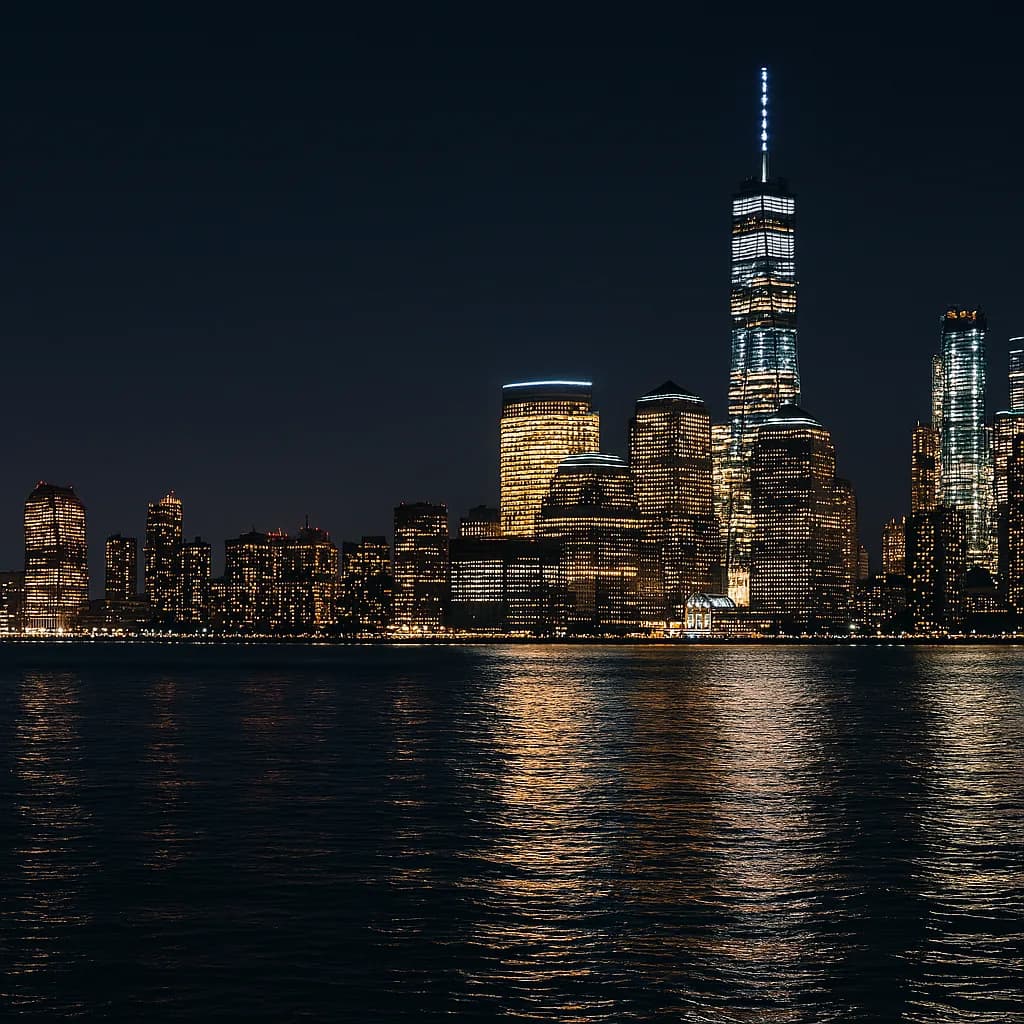
7/10Moderately Safe with Smart Precautions
Method: caution score based on verified NYPD citywide crime, NYPD subway crime, MTA rider-safety survey data, and traveler conditions like lighting, foot traffic, and late-night transit options. Updated 2026.
General visiting safety
Is NYC safe to visit right now?
Yes, with normal big-city awareness. The official data in this brief points in the right direction: Q1 2026 major crime was down, 2025 subway major crime was down, and MTA riders reported stronger safety satisfaction than the fear-heavy headlines imply.
Planning daytime sightseeing too? See our complete NYC safety guide for overall neighborhood and transit safety.
- Use busy tourist corridors and main avenues as your default route.
- Treat quiet blocks, empty cars, and late transfers as the moments to slow down.
- Keep your phone, wallet, and bag controlled in crowded tourist spots.
- Use a rideshare when the safer route is no longer obvious.
Major subway crime down 4%; safest subway year since 2009, excluding pandemic years.
Source63% of riders felt safe on trains; 59% felt safe in stations.
SourceExact night answers
Manhattan, Lower Manhattan, Tribeca, and Times Square after dark
These are the quick answers travelers usually search before booking a hotel or planning a late dinner, show, or waterfront walk.
Is Manhattan safe at night?
Yes in the visitor core, especially Midtown, the Upper West Side, the Upper East Side, Chelsea, Flatiron, and Lower Manhattan. Stay on lit avenues, avoid park shortcuts, and use a cab or rideshare if the last walk from transit feels too quiet.
Manhattan hotelsIs Lower Manhattan safe at night?
Generally yes around active areas such as the Financial District, Battery Park, Seaport, and hotel blocks. It can feel quiet after office hours, so plan the exact station exit or pickup spot before you leave.
Downtown / Tribeca hotelsIs Tribeca safe at night?
Yes for most visitors. Tribeca is calmer and residential-feeling after dark, so the main safety choice is route quality: stay near active streets, restaurants, hotels, and direct subway lines instead of wandering empty side blocks.
Tribeca hotelsAre Times Square and Midtown safe at night?
Usually yes because they are bright, busy, and heavily traveled. The bigger visitor risks are pickpockets, pushy photo characters, and tired late-night decisions, not isolated streets in the main tourist corridors.
Midtown / Times Square hotelsSafest neighborhoods at night
Safest NYC neighborhoods after dark
The safest-feeling stays are usually close to active streets, subway options, hotels, restaurants, and other people. Reputation matters less than the route you will actually walk at night.
These are general traveler-experience ratings based on lighting, foot traffic, late-night activity, and official NYPD precinct crime data — not official safety scores. Conditions vary block by block.
Midtown
Busy, well-lit, heavy police presence.
Tourist-heavy but safe.
Midtown / Times Square hotelsUpper West Side
Residential, calm, well-patrolled.
Upper West Side hotelsUpper East Side
Quiet, upscale, and residential.
Upper East Side hotelsDUMBO
Touristy waterfront with steady foot traffic.
Battery Park
Calm and scenic, with steady early-evening foot traffic.
Financial District / Downtown hotelsUse caution
Areas to be cautious after dark
This is not a borough blacklist. It is a planning filter: quieter blocks, sparse lighting, long transfers, and late-night crowd behavior are the things I would avoid when traveling solo.
East Village
Nightlife-heavy with occasional disorderly behavior.
Better before: 2 AM
Lower East Side
Bars and clubs create unpredictable late-night crowds.
Better before: 2 AM
Bushwick
Trendy but uneven lighting and quieter blocks.
Better before: 1 AM
Harlem
Busy avenues are safe; side streets quieter.
Better before: Midnight
Brownsville
Primarily residential. The 73rd Precinct (Brownsville) logs more major crime than tourist-core precincts, but it is down about 6% in 2026 year-to-date and ~75% since 1990. Tourist routes rarely pass through.
Better before: Sunset
East New York
A large, mostly residential area. The 75th Precinct records the city's highest major-crime volume (3,347 in 2025), though it is down about 5% in 2026 year-to-date. Not a visitor area, with little reason to be here at night.
Better before: Sunset
Fordham
Busy by day, quieter at night. The 46th Precinct (Fordham) is smaller-volume but major crime is up about 12% in 2026 year-to-date — the one area here trending up. Mostly residential, off the usual tourist routes.
Better before: Sunset
Subway safety
Is the NYC subway safe for visitors?
Generally yes, especially on busy lines and staffed stations. The brief's verified NYPD data says 2025 was the safest subway year since 2009, excluding pandemic years: major subway crime fell 4%, and transit robberies hit the lowest level ever recorded. The MTA's Fall 2025 survey also found 63% of riders felt safe on trains.
Subway after dark
Best: Before midnight
Watch: 2–4 AM
- Wait near the conductor
- Avoid empty cars
- Use staffed stations
Bus or taxi backup
Use buses, yellow cabs, or rideshare when subway waits get long or the transfer feels too empty.
- Sit near the front on buses.
- Verify rideshare plates before entering.
- Share your trip when traveling late.
Platform habits
The small choices matter more than fear: where you wait, which car you enter, and whether you pivot when a platform feels wrong.
- Wait near other riders.
- Avoid empty train cars.
- Keep phones and bags controlled at doors.
Common NYC scams
Scams tourists should watch for
The common scams are annoying more than dangerous, but they can make a first trip feel chaotic. The cleanest response is usually a polite no and continued walking.
Times Square characters
A photo can become a payment demand. Agree on price first or keep walking.
CD or bracelet hustle
Do not take anything handed to you unless you want to buy it.
Fake badge or helpful stranger
Use official staff, hotel desks, or clearly marked transit help points for help.
Subway pickpockets
Crowded platforms and train doors are the moments to secure your phone and bag.
Solo and female travelers
Safe solo travel is about defaults, not fear
NYC works well alone when you stay in busy zones, keep a route home, and switch transport when a street or station feels too empty.
Solo travelers
NYC is one of the easier U.S. cities to be alone in because eating, walking, museums, shows, and transit all work solo.
Female travelers
Stay in active hotel zones, use staffed stations where possible, and switch to rideshare when a route feels too empty.
Nightlife
Pick the route home before you go out. The risk is usually not the venue; it is the tired walk or transfer after.
Night-specific tips
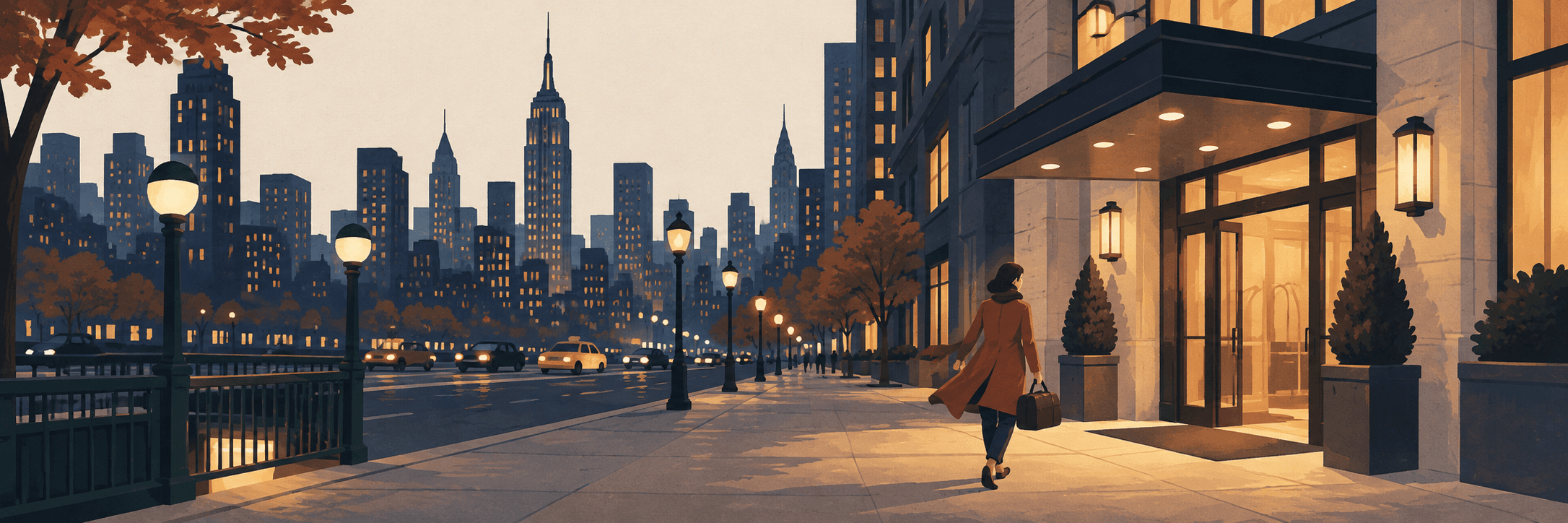
After dark, choose the route with backup
At night, I would rather be on a slightly longer route with light, people, and transit choices than on a shortcut with no one around.
Before midnight
Subway and walking are usually workable on busy lines and main streets.
After midnight
Prioritize direct routes, staffed stations, other riders, and short rideshare hops when transfers get awkward.
After bars close
Leave with a plan, avoid isolated side streets, and do not wait outside alone for long pickups.
If something feels wrong
Change the environment first
Move toward light, people, staff, storefronts, hotel lobbies, staffed stations, or a rideshare pickup spot. You do not need to justify changing direction.
For emergencies requiring immediate police, fire, or medical response.
For non-emergency city services and complaints.
Fast answers
Common NYC safety questions
Is New York safe to visit in 2026?
Yes. The brief supports a cautious yes: NYPD reported Q1 2026 major crime down 5.3%, while tourists should still use normal big-city awareness in crowds, stations, and quieter areas.
Is Manhattan safe for tourists?
Generally yes, especially in busy visitor areas such as Midtown, Lower Manhattan, the Upper West Side, and the Upper East Side. The main tourist risk is petty crime in crowded spots.
Is Lower Manhattan safe at night?
Generally yes around active areas such as the Financial District, Battery Park, Seaport, and hotel blocks. It can feel quiet after office hours, so plan the exact station exit or pickup spot before you leave.
Is Tribeca safe at night?
Yes for most visitors. Tribeca is calmer and residential-feeling after dark, so stay near active streets, restaurants, hotels, and direct subway lines instead of wandering empty side blocks.
Are Times Square and Midtown safe at night?
Usually yes because they are bright, busy, and heavily traveled. The bigger visitor risks are pickpockets, pushy photo characters, and tired late-night decisions.
Is the NYC subway safe at night?
Usually yes on busy routes, but be deliberate late. NYPD said 2025 subway major crime fell 4% and was the safest year since 2009, excluding pandemic years.
What NYC scams should tourists watch for?
Watch for Times Square photo characters, CD or bracelet hustles, fake-badge approaches, and pickpockets around crowded subway doors and tourist areas.
Is NYC safe for solo female travelers?
Yes with practical defaults: stay in busy areas, use main avenues, avoid empty subway cars, keep a charged phone, and switch to rideshare when a route feels too isolated.
Which NYC areas should I be more cautious in after dark?
Be more careful on quiet side streets, isolated parks, industrial blocks, and low-foot-traffic areas after dark. The safer move is to stay near light, people, staff, and transit options.
Sleep somewhere easy
Pick a hotel zone that makes nights simpler
A well-connected hotel near busy avenues matters more than a slightly cheaper stay that forces long late-night transfers.
About the author. Mridul Mishra has visited New York City and writes the NYC travel guides for Travels Americas. Every safety claim here is checked against primary sources — current NYPD crime data and MTA rider surveys — not online rumor or recycled blog posts.